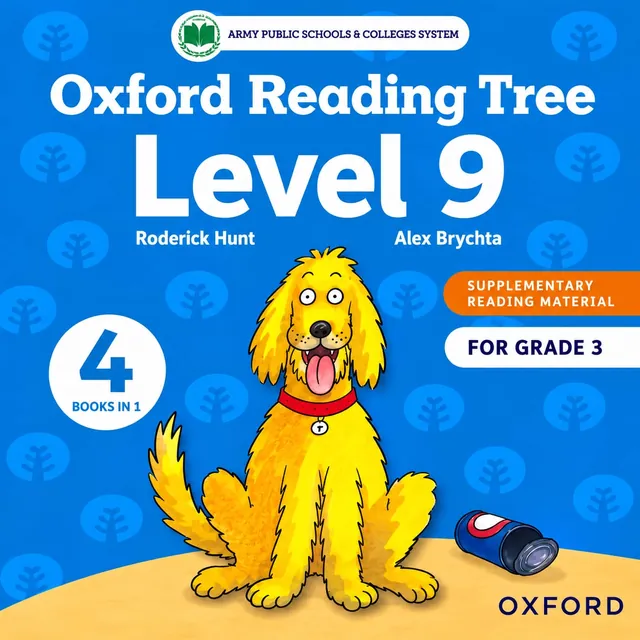
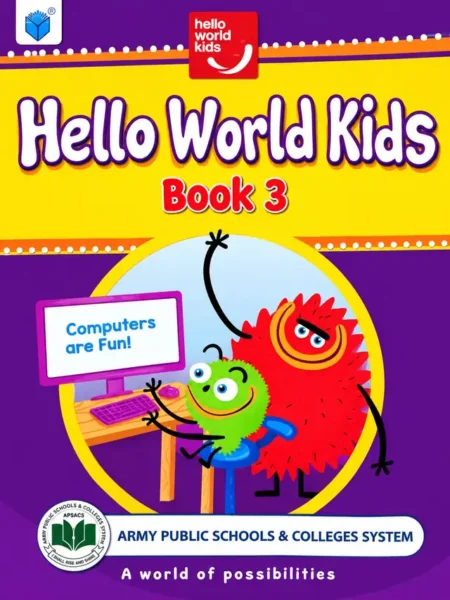
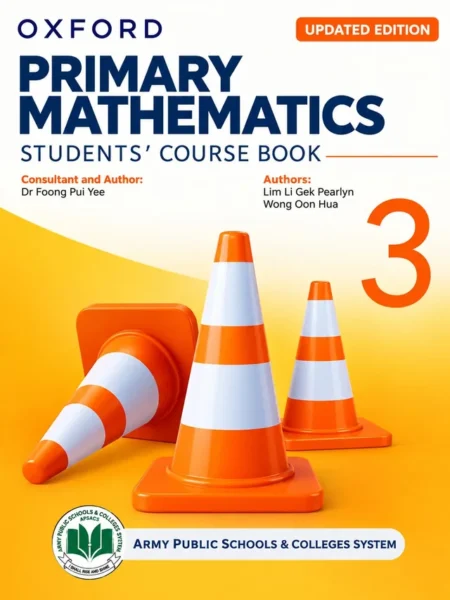
Oxford Reading Tree Level 9 is the Class 3 reader in the Army Public Schools & Colleges System. The blue cover reads ‘4 Books in 1’, ‘Supplementary Reading Material’ and ‘For Grade 3’, and shows a friendly golden dog with a drink can. The stories are written by Roderick Hunt and illustrated by Alex Brychta, with an Oxford University Press copyright of 2025. Available to order now for the 2027-28 session.
In Oxford University Press Pakistan’s catalogue the Level 9 Biff, Chip and Kipper stories include Green Island, The Litter Queen, The Quest, Storm Castle, Superdog and Survival Adventure; this school edition gathers four Level 9 stories into one volume.
What the first pages tell us
The book opens with a guide for parents and teachers. The page we photographed belongs to the story ‘Green Island’ (the title shows faintly behind the text), and it asks the adult to:
- Before reading: look at the title and cover picture and ask what might happen in the story, talk about times your child has been to the sea or to a small island, and look through the pictures.
- About the words: the child will probably be able to read most words; encourage sounding out and blending the challenging ones (famous, guitar, dangerous, caught, island).
- During reading: break unfamiliar words into chunks or syllables (for example e-nor-mous), blend from left to right, say the whole word if it is too tricky, and re-read sentences to focus on meaning.
Words such as ‘guitar’ and ‘dangerous’ show that Level 9 expects the child to deal with irregular spellings, which is excellent preparation for Class 3 spelling.
Where this reader sits at Army Public Schools
Level 9 is the last Oxford Reading Tree step in this series, at Class 3. After it, the school switches in Class 4 to adapted classic novels, starting with The Railway Children, so a child who finishes this book is ready to read a real novel.
Questions to ask after each story
Level 9 stories are longer and more adventurous. After each of the four stories, try these:
- Where did the story take place? (The first story is about an island.) Have you ever been to an island or to the sea?
- What was dangerous in the story, and how did the children stay safe?
- Which word was the hardest: ‘famous’, ‘guitar’, ‘dangerous’, ‘caught’ or ‘island’? Spell it aloud.
- What was the problem, and how was it solved?
- Which character was the bravest, and what makes you say so?
- If this were a film, what would you call it, and who would play Biff?
What changes from Class 2 (Level 8) to Class 3 (Level 9)
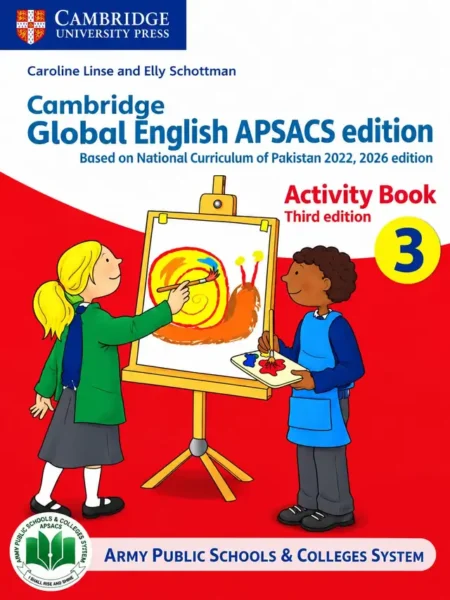
The Level 9 guide again asks the reader to break unfamiliar words into syllables, and its challenging words include irregular spellings such as ‘guitar’ and ‘caught’, which cannot be sounded out in the usual way. A Class 3 child learns here to recognise those words by sight and by pattern. Because Class 3 English (Cambridge Global English) now includes longer information texts, regular story reading at home keeps the reading stamina that the English course demands.
Who, when and how
Whom: Class 3 children at Army Public Schools (about eight years old). When: as home reading through the year. How: let the child read a story over a few evenings and ask what they would do if they were on the island; encourage them to read the longest words in chunks. Where: at home, in the car, in the library corner.
Frequently asked questions
What does ‘4 Books in 1’ mean?
Four separate stories are bound together in a single volume.
Which story is first?
From the photographed page, the first story is ‘Green Island’.
Is it a textbook?
No. It is Supplementary Reading Material, for extra reading practice.
Oxford Reading Tree Level 9 is available now. Order online, pay on delivery anywhere in Pakistan, or collect it in Lahore. Buying the whole class list? WhatsApp us the list and we will confirm every title in one go.